Makapala, North Kohala, Hawaiʻi Island · October 19–21, 2017

Master Cho on the Nutritive Cycle

Three days in a Makapala hall with Master Cho Han-kyu: when to feed a crop, what to feed it, and why. All seven recorded sessions are here as they happened. His Korean is translated again and checked, so you can read what he said, not only what the room heard.

Read the whole seminar in one page →

Topics microbes nutritive cycle livestock history timing soil food philosophy structure medicine rice cleanser fruit trees protectors reproduction corn Clear

5 parts on “cleanser”

Joe McGinn ·0:00 ·28 min

Brown Sugar + Rice = the Whole Toolbox

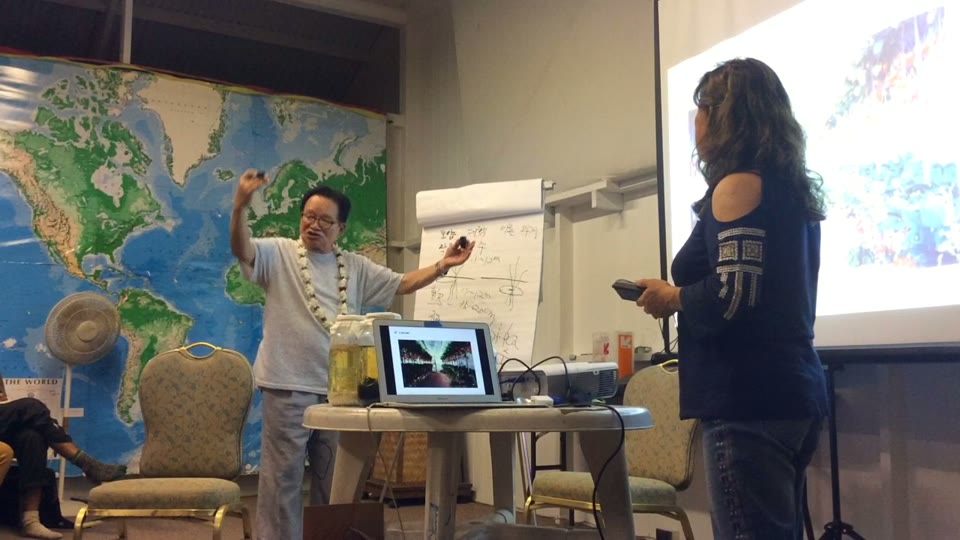
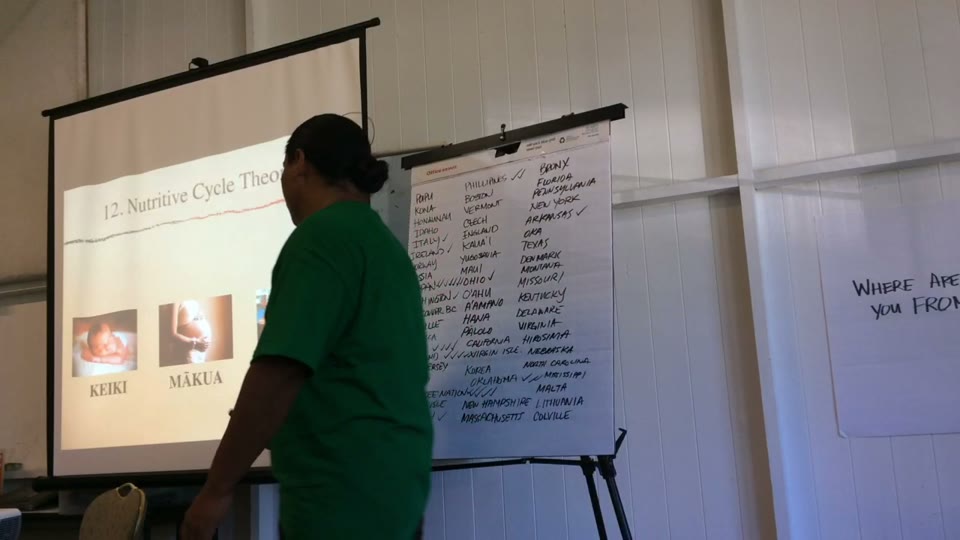
Joe McGinn opens the afternoon by asking everyone where their grandparents are from, then walks through Cho's principles of natural farming in slides, read through a Hawaiian lens. He ends on a simple point: every solution rests on brown sugar or on rice vinegar, so anyone can start, beginning with Food (FPJ).

Taught Supermarkets and tractors came in around the 1930s, so grandparents born before then farmed without machines or chemical fertilizer

history nutritive cycle microbes food cleanser hawaii

Master Cho Han-kyu, interpreted by Kim Chang ·2:05:29 ·22 min Korean, translated

Liquor + Air = Vinegar: Make It From What Grows Here

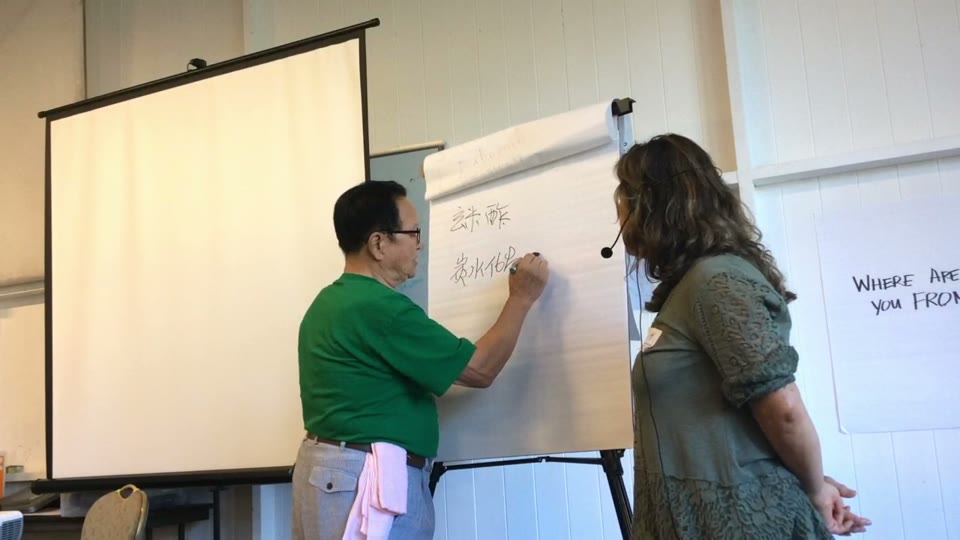
The question held since Joe's talk comes back: must the vinegar be brown rice vinegar? Kim Chang, the interpreter, answers first in her own voice (4-5% acidity, and why competency matters), then Cho takes the flip chart. Don't insist on brown rice: carbohydrate plus nuruk makes liquor, the air's acetic acid bacteria turn it to vinegar in 3 to 5 days, and the material sets the quality. He adds coconut vinegar, a little cooked brown rice in banana liquor, why koji isn't IMO, and why brown rice beats white.

Taught Use local material for vinegar; it needs at least 4 to 5% acidity

cleanser vinegar microbes local materials banana coconut
Master Cho Han-kyu, interpreted by Kim Chang ·0:00 ·29 min Korean, translated

Eggshell, Bone + Vinegar = Hens Laying, Sows in Heat

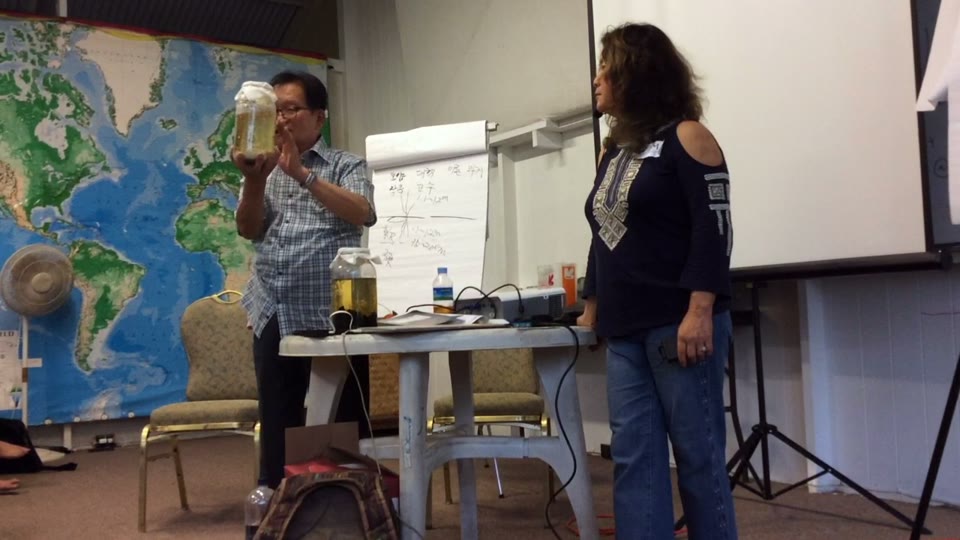
Drake interviews two Kohala farmers, then the camera catches the outdoor egg yolk oil demo. Back in the hall, Cho talks about egg yolk oil, then turns to Reproduction (WCA) from eggshells and Structure (WCP) from burned cow bone: why each dissolves in vinegar, and how he uses them for flower buds, hens that stop laying and sows that won't come into heat.

Taught Start egg yolk oil with one dozen eggs; a batch takes about an hour

reproduction structure medicine cleanser livestock poultry

Master Cho Han-kyu, interpreted by Kim Chang ·0:00 ·37 min Korean, translated

Fat Tree, Empty Fruit: The IMO5 Ring at the Drip Line

Cho opens with plans: next time he wants to walk farms and diagnose crops, and he wants Hawaiʻi visitors to eat on natural farms. Then he cuts open the mangosteen a participant gave him. It's nearly empty, because the tree was overfed when young and lacked calcium phosphate the July before. His fix is IMO4 mixed 1:1 with vinegar-moistened bone char, spread in a ring at the drip line ahead of flowering; the room's questions settle what the 1:1 means.

Taught IMO5 = IMO4 mixed 1:1 with bone char moistened with brown rice vinegar

microbes structure cleanser nutritive cycle fruit trees mangosteen

Master Cho Han-kyu, interpreted by Kim Chang ·58:54 ·26 min Korean, translated

Seed Milk, Not Cow's Milk: The Seed Soak and Weaning Feed

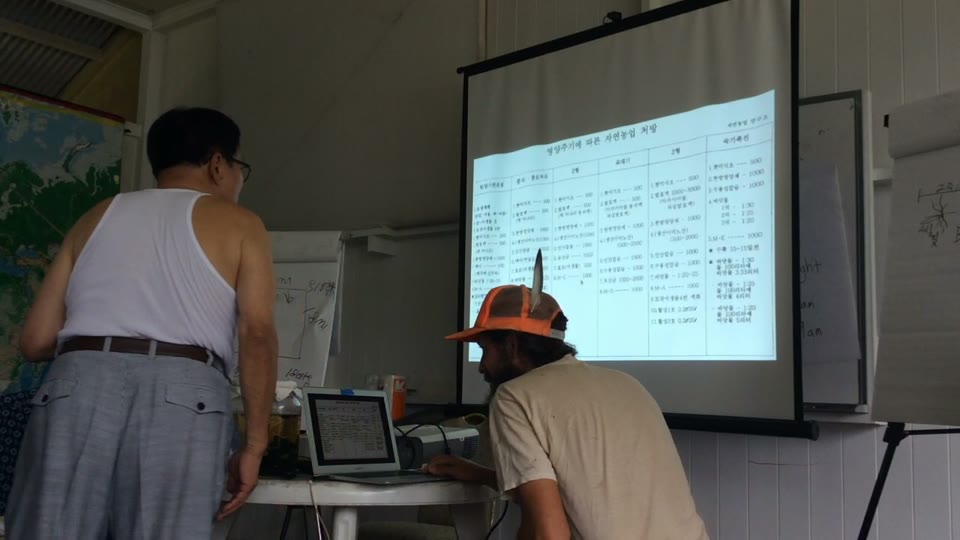
Cho walks the first stages of the rice chart: sprouting February 12, weaning March 12. A seed grows on its own seed milk, so base fertilizer is like raising a baby on cow's milk; raise seedlings in poor soil. When the milk runs out, start feeding, beginning with Fuel (FAA). Then he puts up the prescription handout and the seed soak and Type 2 columns are read out, with two errors in the English copy caught; Dr. Park ends on the Mineral products and clay jars.

Taught Rice: sown and sprouting February 12; young seedling and weaning March 12, a month later

seeds seed treatment fuel food cleanser medicine