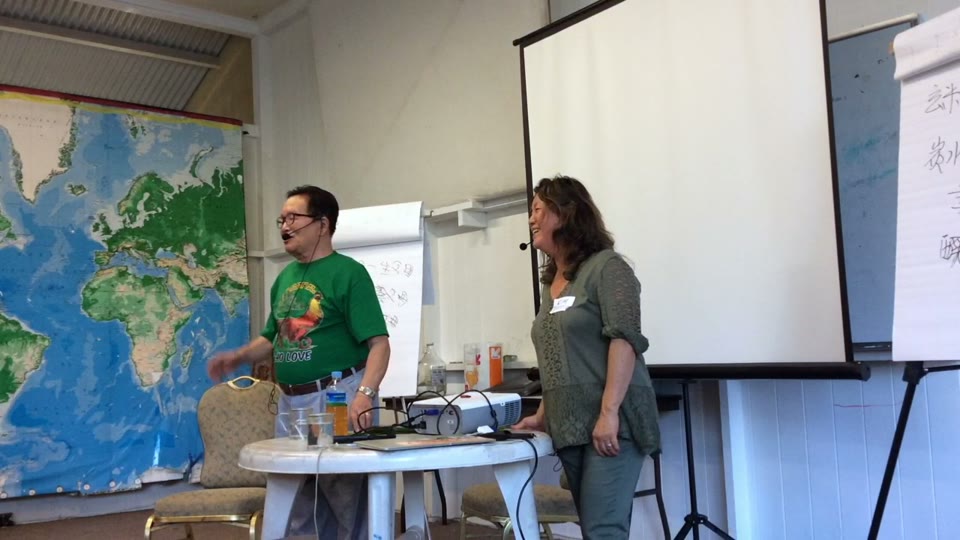
Makapala, North Kohala, Hawaiʻi Island · October 19–21, 2017

Master Cho on the Nutritive Cycle

Three days in a Makapala hall with Master Cho Han-kyu: when to feed a crop, what to feed it, and why. All seven recorded sessions are here as they happened. His Korean is translated again and checked, so you can read what he said, not only what the room heard.

Read the whole seminar in one page →

Topics microbes nutritive cycle livestock history timing soil food philosophy structure medicine rice cleanser fruit trees protectors reproduction corn Clear

9 parts on “history”

Master Cho Han-kyu, interpreted by Kim Chang ·0:00 ·26 min Korean, translated

Fix the Soil First: Soil → Crop → Animal → Human

Cho opens the advanced seminar with questions, not recipes: what is nature, who are you, what is the biggest farming. He argues that health comes from healthy food, so the farmer is the foundation of the world, and that farming by your own judgment or a professor's theory makes 'smart fools'. He ends on the chain soil welfare, crop welfare, animal welfare, human welfare, written on the flip chart.
Taught This seminar keeps the old flavour but gives a new taste; returning students should treat it as review.

philosophy soil health nutritive cycle history

Joe McGinn ·0:00 ·28 min

Brown Sugar + Rice = the Whole Toolbox

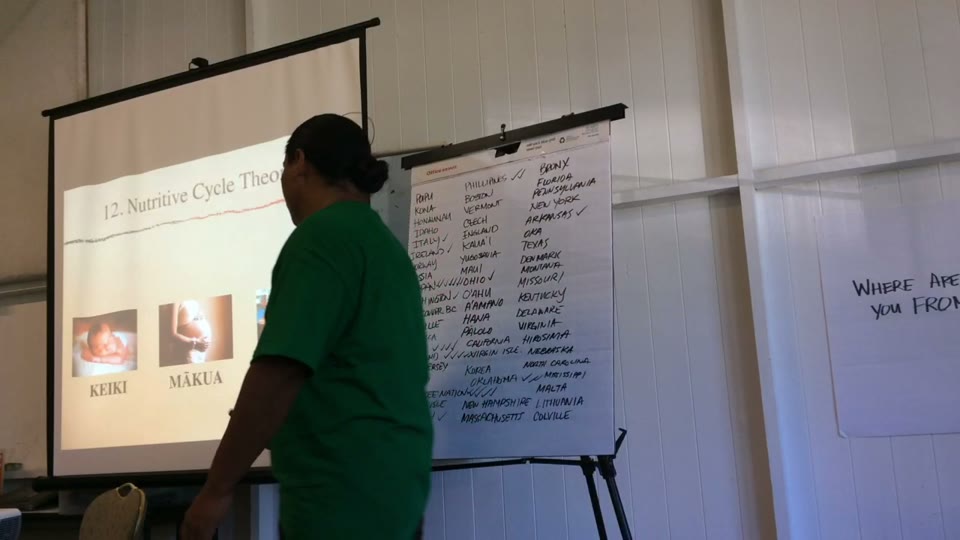
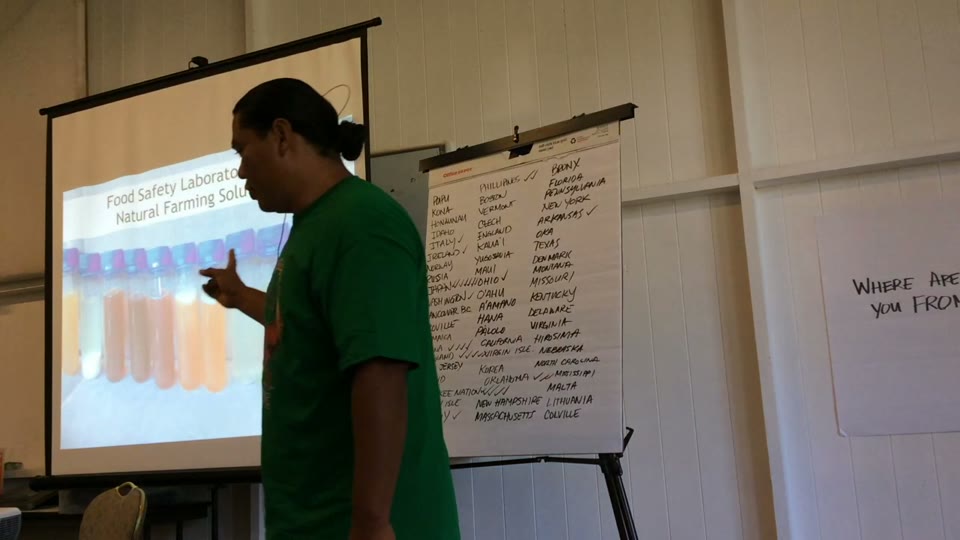
Joe McGinn opens the afternoon by asking everyone where their grandparents are from, then walks through Cho's principles of natural farming in slides, read through a Hawaiian lens. He ends on a simple point: every solution rests on brown sugar or on rice vinegar, so anyone can start, beginning with Food (FPJ).

Taught Supermarkets and tractors came in around the 1930s, so grandparents born before then farmed without machines or chemical fertilizer

history nutritive cycle microbes food cleanser hawaii

Joe McGinn ·27:43 ·33 min

Spray Once a Week, Price It High: Growing Farmers on Oʻahu

Joe McGinn's second deck: how he came to natural farming through Dr. Hoon Park and the 2011 Makapala course, what the Oʻahu network has learned (a food-safety test of the solutions, family classes, shared Medicine, chefs and home pig processing), and its challenges: doing it every week, getting to market, and making it pay. Questions on pigs, chickens and rabbits close it; his advice is to start with chickens.

Taught Oʻahu grew from about 200,000 people in 1977 to over a million

livestock pigs protectors medicine reproduction taro

Master Cho Han-kyu, interpreted by Kim Chang ·2:57:56 ·29 min Korean, translated

Elementary School to 3:6 Rice: How Cho Found Natural Farming

With twenty minutes to dinner, Cho tells how he came to natural farming: elementary school only, 4-H, top of a 90-to-1 exam for the Gyeonggi livestock school, a vet license he gave up to prevent disease rather than cure it, Japan, and high school at 26. He names his three Japanese teachers, says Ōinoue first created the nutritive cycle, and calls Jesus his greatest teacher: 1 Corinthians 3:6 became the growing method and the name of his rice. Then the kimchi maker and a roofless church in Tanzania.

Taught Cho went only as far as elementary school, then worked in 4-H as a young man

history biography nutritive cycle teachers rice philosophy

Master Cho Han-kyu, interpreted by Kim Chang ·39:34 ·17 min Korean, translated

Nature = 3 Chi + 3 Heats + 4 Bodies + 3 Kingdoms

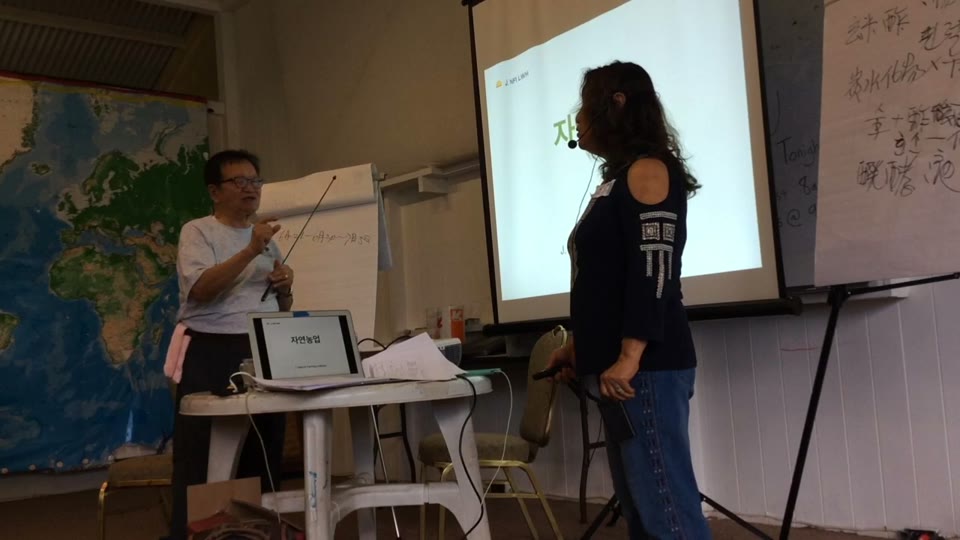
Cho puts up his 'Natural Farming' title slide and asks what nature is: three chi, three heats, the bodies and three kingdoms; farming is heaven, earth and people working with them, and food is the gift. Then he recites the Lord's Prayer, tells how pastors scolded him and threw him out, and says 1 Corinthians 3:16–17 is why he farms. A voice from the room sums it up in English.

Taught Cho came to natural farming through 1 Corinthians 3:16–17: the body is God's temple

philosophy nature three chi fermentation faith food

Master Cho Han-kyu, interpreted by Kim Chang ·37:10 ·22 min Korean, translated

See Half, Farm Half: The Eightfold Path on the Board

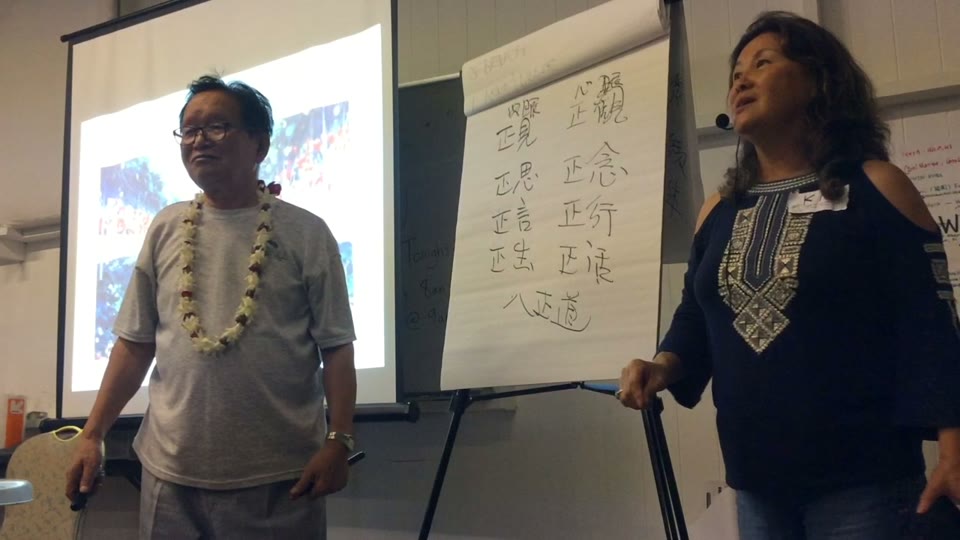
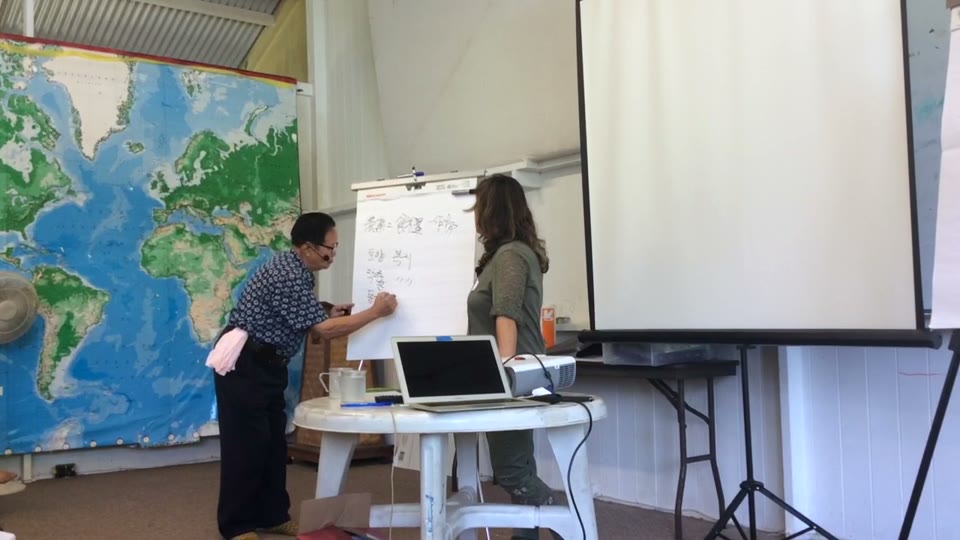
Cho writes the Eightfold Path on the flip chart: see rightly, think rightly, speak rightly, live rightly, first alone and then with others. The eye sees only half, and farming by the outward shape is what made the mangosteen rotten inside. Then religion, a plan to record his farm visits, his fee (a tenth of the extra profit) and one last IMO5 question.

Taught IMO5 goes at the drip line

philosophy nutritive cycle microbes fruit trees mangosteen observation

Master Cho Han-kyu, interpreted by Kim Chang ·21:53 ·21 min Korean, translated

Baby Food by Age: Mugwort FPJ First, Fruit FFJ Later

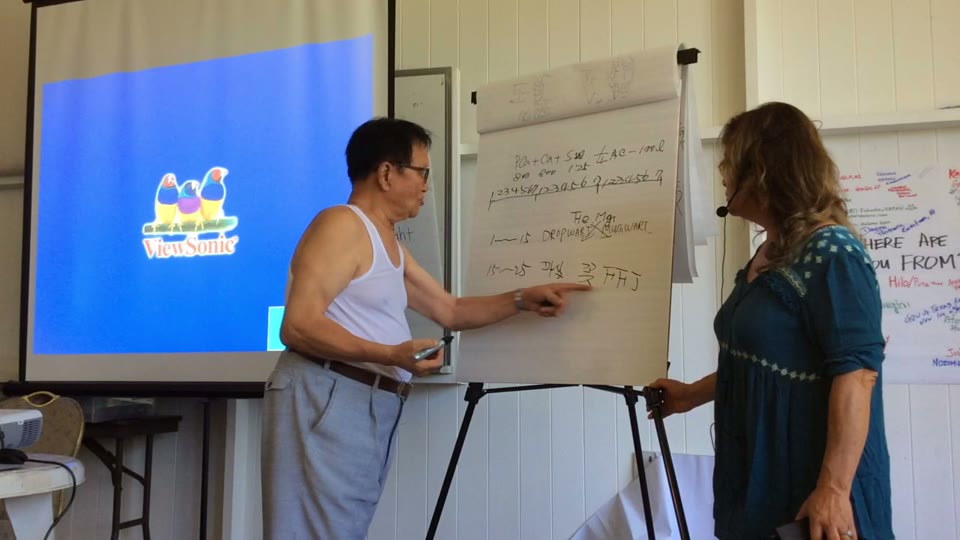
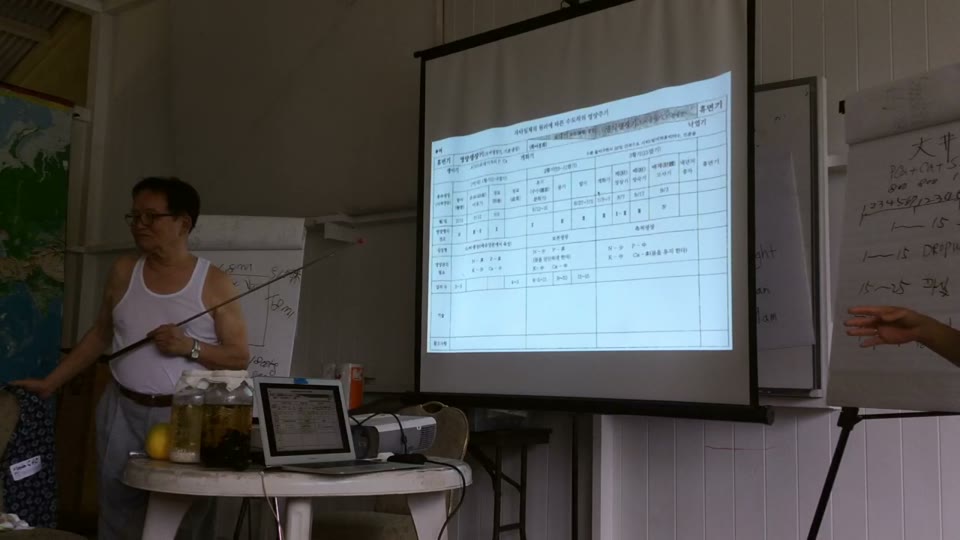
Cho uses a person's ages as the picture for a crop: from 1 to 15 the body is being built, so the young crop gets Food (FPJ) of mugwort and water dropwort for iron and manganese; from about 15 to 25 it gets Food (FFJ) of ripe fruit and opened flowers, once a week each. Dr. Park sorts out which plant carries which mineral. Then Cho tells farmers to run comparison plots, remembers the 78-year-old grandmother who taught him, and says the old farmers farmed with wisdom.

Taught Like a child of 1 to 15, a young crop gets Food (FPJ) of mugwort and water dropwort

food mugwort dropwort nutritive cycle timing comparison plots

Master Cho Han-kyu, interpreted by Kim Chang ·43:10 ·16 min Korean, translated

Ōinoue's Theory, Cho's Chart: Where the Cycle Came From

With the rice chart back on the screen, Cho says every crop has a life, and rice's starts with sprouting on February 12. After a stretch break he credits the nutritive cycle to Ōinoue Yasushi, who bred the Kyoho grape, tells his own story of Ōinoue's persecution and death, of learning from the widow and son, and of refusing to be the successor. The chart itself is Cho's, and he asks Hawaiʻi to fit its own crops into it, with Joe McGinn leading.

Taught Rice is sprouted around February 12

nutritive cycle history ōinoue rice hawaii kyoho grape

Drake Weinert ·53:10 ·29 min

Certificates, the First Level 2, and the Group Photo

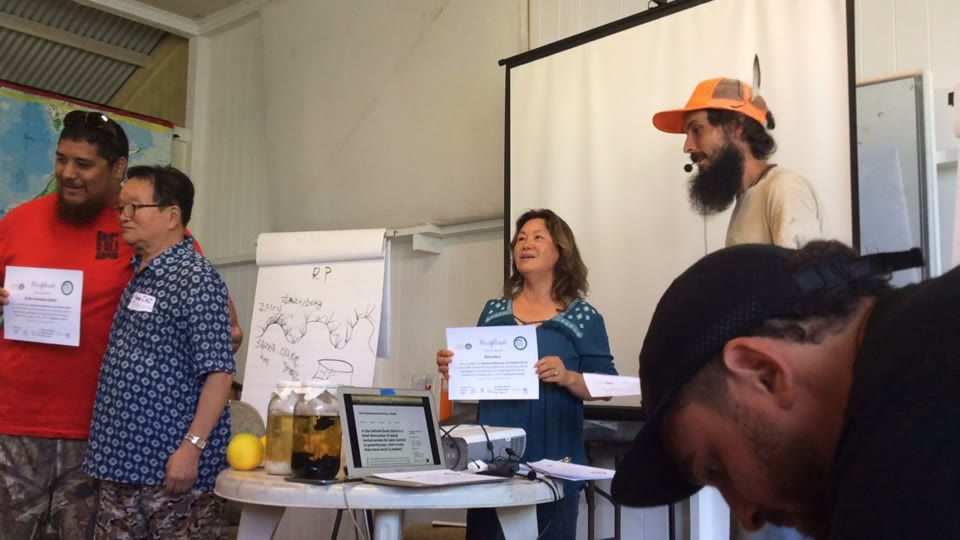
Drake shows the CGNF Hawaiʻi website (a members' Q&A seeded from Facebook, and the certification list with this seminar on it), assigns cleanup chiefs, reads the certificate and hands them out with Cho and Kim Chang, the interpreter. Jason gets the first Level 2. The tape ends as everyone heads to the flag post for the group photo.

Taught The certification site lists Level 3 'Nutrient Cycle, Makapala, October 21'

ceremony certification cgnf hawaii community history