Makapala, North Kohala, Hawaiʻi Island · October 19–21, 2017

Master Cho on the Nutritive Cycle

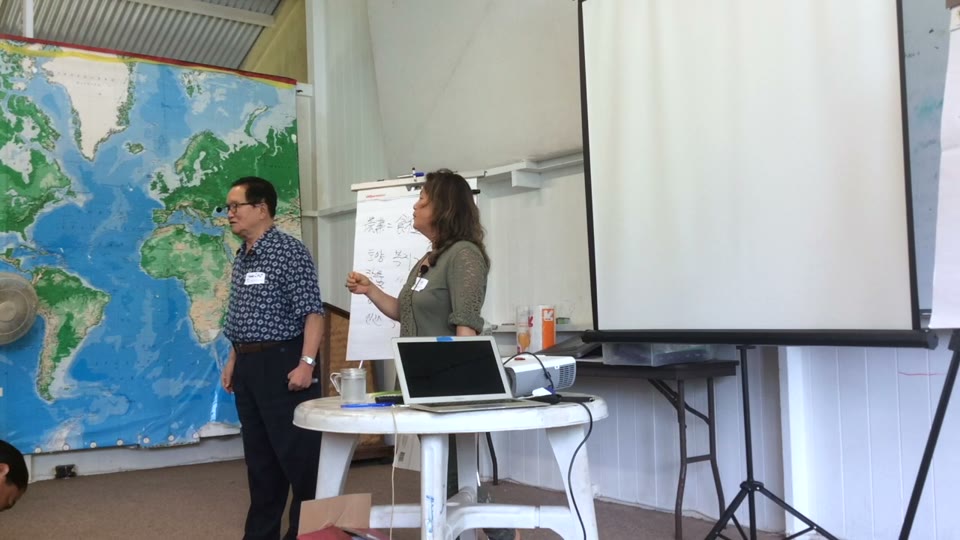
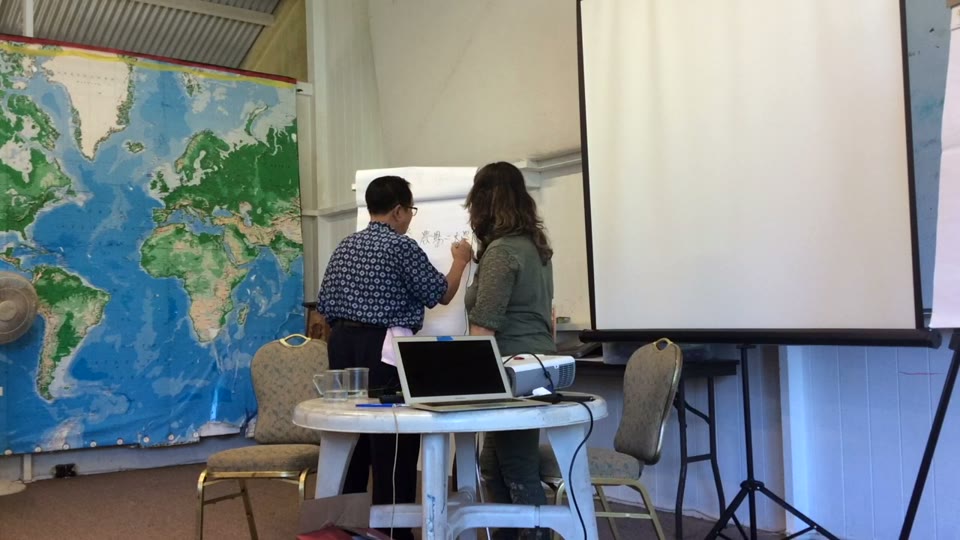
Three days in a Makapala hall with Master Cho Han-kyu: when to feed a crop, what to feed it, and why. All seven recorded sessions are here as they happened. His Korean is translated again and checked, so you can read what he said, not only what the room heard.

Read the whole seminar in one page →

Topics microbes nutritive cycle livestock history timing soil food philosophy structure medicine rice cleanser fruit trees protectors reproduction corn Clear

4 parts on “minerals”

Master Cho Han-kyu, interpreted by Kim Chang ·41:38 ·16 min Korean, translated

Seawater 1:30, Two Hours Before Sunset = Fast Uptake

Cho says the soil's hometown is the sea, from Genesis, and tells Elisha salting the spring in 2 Kings as the Bible's seawater story. Then the ranch: cows dying on acidic grass, an owner afraid of salt, and the fix, seawater diluted 1 to 30 because seawater is 3% salt and a plant's green blood 0.1%. For drought pasture he gives the timing: spray 1 part seawater to 30 parts fresh water two hours before sunset, cut and feed the next day, and the same timing for every crop.

Taught More than 95% of Natural Farming comes from the Bible, and the Bible is action and practice.
minerals seawater livestock pasture timing drought

Master Cho Han-kyu, interpreted by Kim Chang ·1:16:11 ·33 min Korean, translated

Plump, Slim, Plump Again: Feed Every Stage

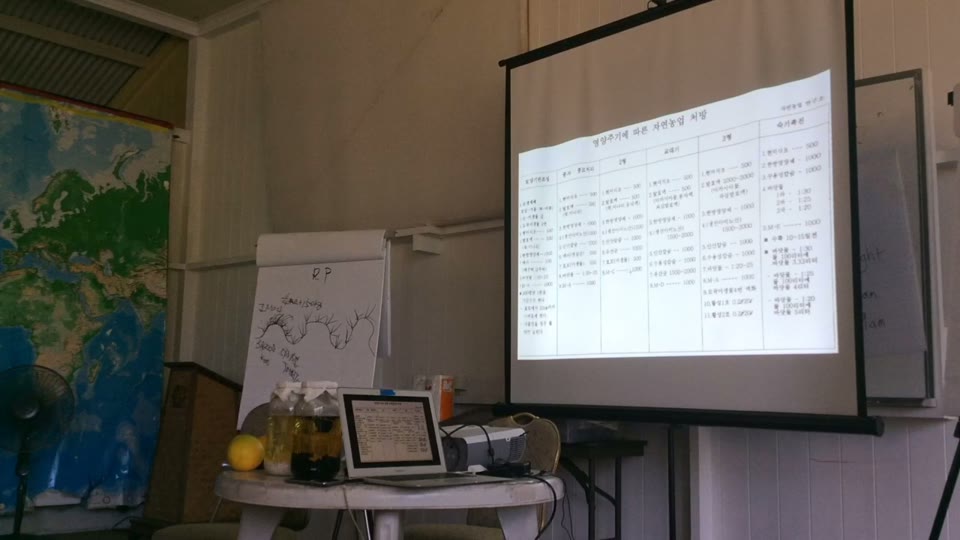
Cho walks through how a child goes plump, slim and plump again with age, and says young paprika, tomato, papaya, pigs and chicks should be raised plump too. Miss the balance at the changeover and the crop gets sick, so he has had his stage-by-stage chart translated for this level-3 seminar. Then fermentation heat (an IMO 4 pile runs 60-70 °C), a seminar notice, and an open Q&A: seawater 1:30 for all crops, salt blocks, no seawater nearby, and 'the crop is the professor'.

Taught People go plump at 2-4, slim at 5-6, plump at 10-13, slim at 14-16, plump then thin at 19-21.

nutritive cycle minerals microbes livestock tomato paprika

Master Cho Han-kyu, interpreted by Kim Chang ·59:30 ·38 min Korean, translated

What a Crop Can Do: 8,000 Tomatoes, 14-Brix Papaya

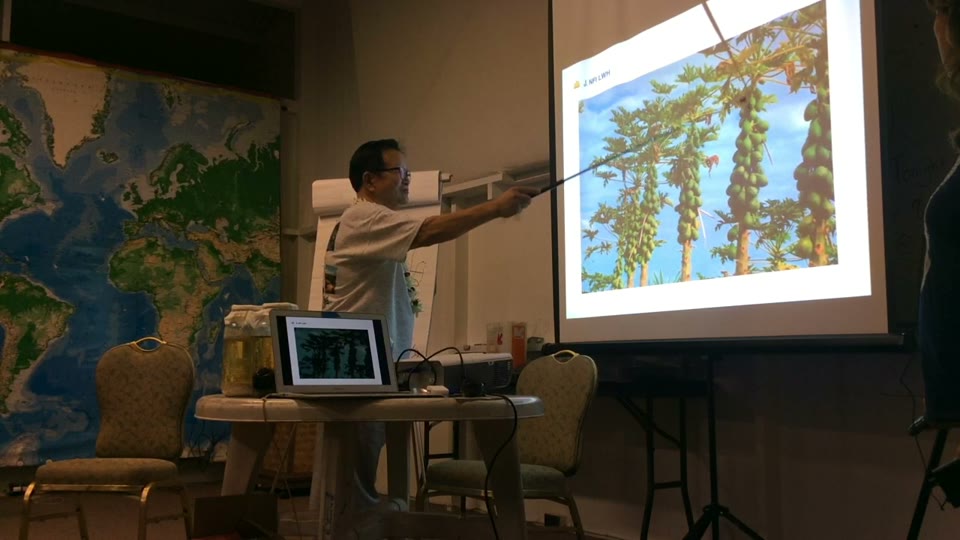
Cho points at the bubbling jars (alive, so never seal them in plastic), then takes an aside on crocks and a water machine from Korea. Then his slides of what crops can do: a 15-year grape vine, his 8,000-tomato plant, a Hilo papaya fruiting down the trunk on IMO4 alone, papaya brix, a Thai longan grove saved with a beer-and-vodka stopgap, chili, banana and taro on IMO4. He ends with a Korean field trial where Natural Farming got the worst field and the biggest harvest.

Taught One 15-year grape vine bore 3,600 bunches; the record vine bore 15,000

microbes minerals medicine fruit trees papaya brix

Master Cho Han-kyu, interpreted by Kim Chang ·29:35 ·24 min Korean, translated

The Season on One Table: Soil, Soak, Flowers, Sugar

Told he has two minutes, Cho asks what matters most in farming (the soil), then runs through the whole season on the projected table: cover crops, the seedling soak with the leaves kept dry, Type 2, the changeover and next year's fruit, Mineral D as water drawn from rock, Type 3 and ripening. He closes with his hopes for Hawaiʻi: classes on the islands, a CGNF Hawaiʻi quality mark, and starting small.

Taught After transplanting: Type 2, Fuel (FAA) for nitrogen

nutritive cycle soil seeds structure reproduction minerals